
“The taste of nature. Eat clean and green. Eat organic.”
Do you find yourself feeling guilty after eating, even when the food is “healthy”? Learning how to have a healthy relationship with food without guilt is essential for long-term health, happiness, and balance. This approach moves you away from rigid rules and dieting cycles. Instead, it helps you enjoy meals, listen to your body, and make mindful choices without stress.
By embracing food freedom strategies, flexible eating, and mindful habits, you can finally break the cycle of guilt and restriction. This blog will guide you step by step so that you feel empowered, nourished, and joyful in your relationship with food.
Why Guilt Around Food Happens
Food guilt can also disrupt intuitive eating, making you either overeat or undereat. When you focus on mindful eating habits, you shift the perspective from punishment to nourishment. Flexible eating without restriction allows you to include all foods without moral judgment, reducing stress and increasing satisfaction.
Tip: Avoid categorizing foods as “good” or “bad.” Instead, focus on balance and enjoyment.
Step 1: Shift Your Mindset
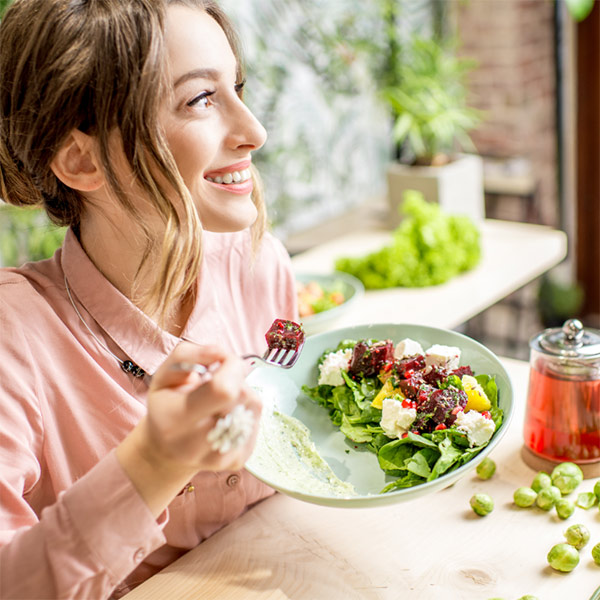
Changing how you think about food is the first step in learning how to have a healthy relationship with food without guilt. Reframe your meals from judgment-based to nourishment-based. For instance, replace “I shouldn’t eat this” with “I’m choosing this food to fuel my body and enjoy myself.”
This mindset shift reduces stress, improves digestion, and promotes consistency. Healthy eating mindset changes also reinforce that meals are about balance, not perfection.
Step 2: Practice Mindful Eating
Mindful eating encourages you to slow down, notice flavors, textures, and hunger cues, and truly enjoy your meals. Start by:
– Eating without distractions, such as screens or multitasking
– Chewing slowly and savoring every bite
– Journaling cravings and satisfaction
Mindful eating habits help prevent overeating and foster intuitive eating for balance. Over time, this creates a natural rhythm that supports your health goals while allowing you to enjoy food guilt-free.
Step 3: Build Flexible Eating Habits
A nutrition plan should include all foods in moderation. Flexible eating without restriction allows you to enjoy desserts, snacks, or treats without feeling ashamed. This approach encourages a realistic eating pattern instead of strict dieting.
For example, you might have a balanced meal for lunch, enjoy a small dessert in the afternoon, and still stay on track overall. Healthy eating mindset shifts like these reduce anxiety and promote long-term adherence to a balanced lifestyle.
Step 4: Plan Without Restricting
Planning meals doesn’t mean limiting choices. Realistic meal planning for long-term health involves:
– Batch prepping vegetables and proteins
– Having go-to healthy meals ready
– Allowing space for spontaneous meals
By creating structure without restriction, you can reduce stress and maintain your nutrition routine. This step supports your journey in learning how to have a healthy relationship with food without guilt.
Step 5: Address Emotional Eating With Compassion
Emotional eating is common, triggered by stress, boredom, or social situations. The key is to respond with awareness, not shame. Try:
– Identifying triggers for emotional eating
– Practicing mindful coping strategies like movement, journaling, or meditation
– Responding with self-compassion instead of guilt
This approach strengthens food freedom strategies and helps you develop a healthy connection with food.
Step 6: Celebrate Progress, Not Perfection
Focus on victories beyond the scale. Wins could include:
– Eating balanced meals consistently
– Enjoying food without guilt
– Feeling energized after meals
Celebrate these moments and avoid obsessing over minor slip-ups. Over time, this mindset reinforces food freedom and helps you maintain a sustainable, guilt-free approach.
Sample Day: Eating Without Guilt
– Breakfast: Greek yogurt with berries and nuts
– Snack: Apple slices with almond butter
– Lunch: Grilled chicken salad with quinoa and olive oil
– Snack: Small piece of dark chocolate (no guilt!)
– Dinner: Baked salmon, roasted vegetables, brown rice
– Optional: Flexible dessert or snack based on hunger
– This approach combines mindful eating habits, flexible eating without restriction, and balanced meals for busy lifestyles.
Conclusion: Start Your Journey Toward Food Freedom
Learning how to have a healthy relationship with food without guilt is about balance, awareness, and self-compassion. Start with small steps: one mindful meal, one flexible habit, or one guilt-free choice each day.
Over time, these habits build a healthy eating mindset, reinforce food freedom strategies, and make eating enjoyable again. Remember, it’s progress, not perfection, that leads to lasting change.